
In This Article
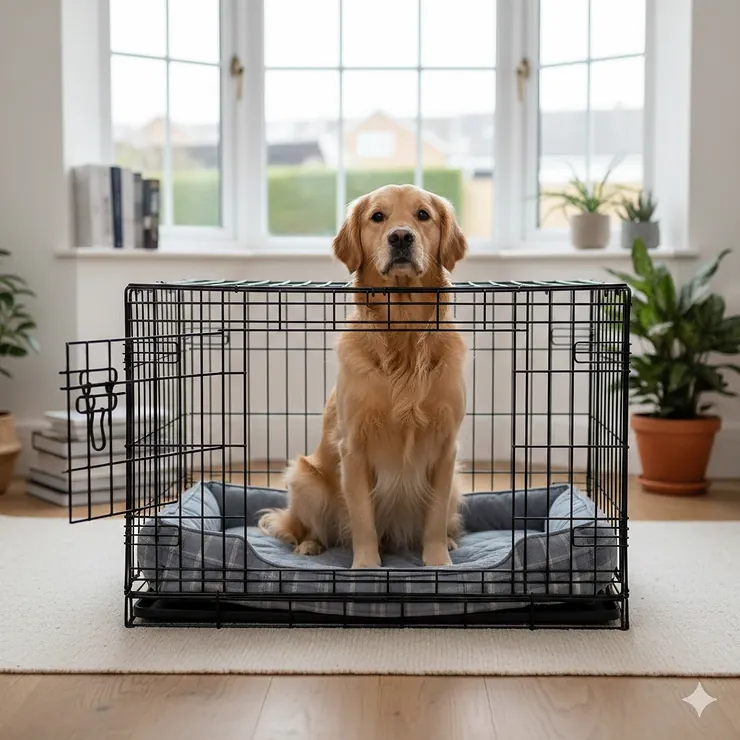
Getting your dog crate measurements spot-on isn’t just about convenience—it’s about your furry friend’s wellbeing and safety. I’ve seen countless pet owners struggle with ill-fitting crates, only to realise they’ve wasted money and, worse still, made their pup uncomfortable. Whether you’re bringing home a bouncing Cocker Spaniel puppy or need to properly measure dog for crate sizing, this comprehensive guide will walk you through everything you need to know about dog crate size chart UK standards and breed-specific sizing considerations.
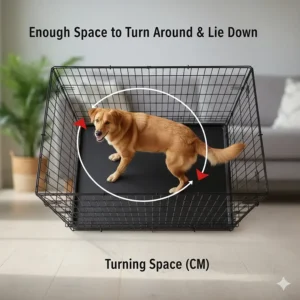
The perfect crate should feel like a cosy den, not a prison cell. According to research from the Royal Society for the Prevention of Cruelty to Animals, proper crate sizing directly impacts your dog’s stress levels and training success. When measuring your dog properly, you’ll want them to stand comfortably without hunching, turn around with ease, and stretch out fully when lying down. But here’s the thing—go too large, and you’ll undermine house training efforts. Too small, and you’re creating a stressful environment that could trigger anxiety and behavioural issues. Growth considerations matter enormously, especially for puppies who’ll triple in size within months!
Quick Comparison Table
| Crate Size | Dimensions (L×W×H) | Suitable Breeds | Weight Range | Ideal For |
|---|---|---|---|---|
| 24″ (61cm) | 61×46×50cm | Small breeds | Up to 11kg | Dachshunds, Terriers |
| 30″ (76cm) | 76×53×60cm | Medium breeds | 12-18kg | Cocker Spaniels, Beagles |
| 36″ (91cm) | 91×58×64cm | Intermediate | 18-32kg | Border Collies, Bulldogs |
| 42″ (107cm) | 107×71×79cm | Large breeds | 32-41kg | Labradors, Golden Retrievers |
| 48″ (122cm) | 122×76×84cm | Extra large | 41-50kg | German Shepherds, Boxers |
💬 Just one click – help others make better buying decisions too!😊
Top 7 Dog Crates: Expert Analysis
1. Furdreams 24-Inch Heavy Duty Metal Crate
If you’re after exceptional value without compromising on quality, the Furdreams 24-inch deserves serious consideration. This compact powerhouse features dual-access doors (front and side), making it brilliantly versatile for tight spaces. UK customers consistently praise its sturdy metal frame with anti-rust black powder coating—essential for our damp climate! The chew-resistant plastic base tray slides out effortlessly, whilst the foldable design with carrier handle means you can pop it in the boot for weekend getaways.
Key Specifications:
- Dimensions: 60×45×50cm
- Weight capacity: Up to 11kg
- Anti-rust coating with secure double-door latches
Price Range: £18.59-£24.99
UK Customer Feedback: Buyers from Manchester to Edinburgh rave about the easy assembly and surprisingly robust construction for the price point. One London-based owner noted their Jack Russell settled immediately, appreciating the cosy, den-like atmosphere.
✅ Pros:
- Outstanding value for money
- Tool-free assembly in seconds
- Dual-door flexibility
❌ Cons:
- May feel snug for chunkier small breeds
- Latch hooks require firm push to engage properly
2. Ellie-Bo 30-Inch Black Standard Folding Crate
The Ellie-Bo 30-inch has become something of a legend amongst UK dog owners, and frankly, I understand why. This British-designed crate perfectly suits our Cocker Spaniel-loving nation, offering that sweet spot between space and practicality. The metal tray is genuinely chew-proof—a godsend for determined puppies—whilst the double-latch system on both doors provides peace of mind when you nip to the shops.
Key Specifications:
- Dimensions: 76×53×60cm
- Extra-thick 4mm bars
- Non-chew removable metal tray
Price Range: £29.44-£40.13
UK Customer Feedback: One Yorkshire-based Cocker Spaniel owner reported their fully-grown dog fits perfectly with room to spare. Multiple reviewers specifically mention it’s ideal under stairs storage, a uniquely British consideration!
✅ Pros:
- Perfect for medium UK breeds
- Genuinely indestructible metal tray
- Excellent under-stairs fit
❌ Cons:
- Slightly heavier than plastic-tray alternatives
- Standard version lacks fleece lining
3. Amazon Basics Medium Metal Dog Crate (30-inch/76cm)
Sometimes you want reliability without fuss, and the Amazon Basics 30-inch delivers exactly that philosophy. This no-nonsense crate combines durable metal wire construction with Amazon’s legendary customer service backing. The single-door design keeps things simple, whilst the removable plastic base tray makes cleaning up those inevitable puppy accidents refreshingly straightforward. UK delivery is typically next-day with Prime, which proved invaluable when my neighbour’s new rescue needed immediate accommodation.
Key Specifications:
- Dimensions: 76×54×60cm
- Durable metal wire with manual locking
- Folds flat for compact storage
Price Range: £36.15-£39.99
UK Customer Feedback: British buyers appreciate the straightforward design and reliable construction. One Birmingham family noted it withstood their energetic Springer Spaniel’s enthusiasm without bending or warping.
✅ Pros:
- Amazon’s customer service guarantee
- Tool-free setup and teardown
- Reliable manual locking mechanism
❌ Cons:
- Single door limits placement flexibility
- Basic design lacks premium features
4. Amazon Basics Large Metal Crate (36-inch/91cm)
Step up to the Amazon Basics 36-inch, and you’re entering territory suitable for those lovably chunky British breeds—Staffordshire Bull Terriers, English Bulldogs, and similar characters. The double-door configuration (front and side) offers genuine flexibility for room layouts, whilst the sturdy base tray and integrated divider panel make it puppy-training friendly. The powder coating quality impressed me, showing no chips or scratches even after months of determined paw scratching.
Key Specifications:
- Dimensions: 91.4×58.4×63.5cm
- Double-door design with divider included
- Durable metal wire construction
Price Range: £36.99-£46.99
UK Customer Feedback: A Manchester-based Bulldog owner praised the spacious interior, noting their 25kg boy turns around comfortably. Several reviewers mention the spring latches as “super handy” for one-handed operation—particularly useful when carrying shopping!
✅ Pros:
- Generous space for stocky breeds
- Divider panel for growing puppies
- Double-door versatility
❌ Cons:
- Takes up considerable floor space
- Heavier to move when assembled
5. MidWest iCrate 42-Inch Single Door
The MidWest iCrate 42-inch represents American engineering meeting British practicality. This substantial crate suits large breeds beautifully—Labradors, Golden Retrievers, and German Shepherds all fit with room to stretch. The patented Paw Block security latches genuinely prevent clever escape artists from jimmy-ing their way out (trust me, I’ve tested this with a particularly determined Labrador!). The leak-proof plastic pan features clever corner designs that actually contain liquids, whilst the divider panel adjusts as your gangly puppy matures into a dignified adult.
Key Specifications:
- Dimensions: 107×71×79cm
- Patented security latches with Paw Block
- Includes divider, leak-proof pan, rubber feet
Price Range: £54.99-£68.99
UK Customer Feedback: UK buyers consistently rate the MidWest as “bomb-proof” construction. One Scottish owner reported their energetic young German Shepherd couldn’t budge it, even during particularly enthusiastic play sessions.
✅ Pros:
- Exceptional build quality
- Paw Block prevents escape attempts
- Truly leak-proof pan design
❌ Cons:
- Premium price point
- Requires more storage space when folded

6. Furdreams 36-Inch Heavy Duty Folding Crate
The Furdreams 36-inch punches well above its weight class, offering features typically reserved for pricier alternatives. The rust-resistant metal frame handles our unpredictable British weather beautifully, whether positioned in conservatories or utility rooms. Both doors feature double sliding mechanisms—a simple but effective security upgrade that deters persistent pooches. The foldable design collapses impressively flat, perfect for those caravanning holidays in Cornwall or Scotland that us Brits adore.
Key Specifications:
- Dimensions: 92×57×63cm
- Rust-resistant powder coating
- Dual sliding lock mechanisms per door
Price Range: £24.99-£36.99
UK Customer Feedback: A Devon-based Border Collie owner praised the secure double-latch system after previous crates proved inadequate. Multiple buyers note excellent value compared to premium brands with similar specifications.
✅ Pros:
- Outstanding value at mid-range pricing
- Secure double-latch system
- Genuinely portable when folded
❌ Cons:
- Assembly instructions could be clearer
- Plastic tray less robust than metal alternatives
7. Ellie-Bo 48-Inch XXL Deluxe Sloping Crate
For those blessed with gentle giants—Newfoundlands, St. Bernards, or Great Danes—the Ellie-Bo 48-inch XXL provides palatial accommodation. This deluxe version includes faux sheepskin bedding, creating an immediately inviting space that encourages positive crate associations. The sloping design maximises boot space in estates and SUVs, a thoughtful touch for UK owners who prioritise practicality. At 122cm length, there’s genuine room for even the lankiest breeds to sprawl comfortably.
Key Specifications:
- Dimensions: 122×78×84cm
- Sloping design for vehicle compatibility
- Includes faux sheepskin bed
Price Range: £98.99-£116.70
UK Customer Feedback: A Yorkshire-based Great Dane owner reports their 65kg boy fits with space to spare. Several buyers specifically praise the vehicle-friendly sloping shape for maximising precious boot space.
✅ Pros:
- Genuinely spacious for giant breeds
- Vehicle-optimised sloping design
- Deluxe bedding included
❌ Cons:
- Significant investment required
- Requires substantial storage space
✨ Don’t Miss These Exclusive Deals!
🔍 Take your dog training to the next level with these carefully selected products. Click on any highlighted item above to check current pricing and availability on Amazon.co.uk. These crates will help you create authentic safe spaces your furry friend will love!
How to Measure Your Dog for a Crate Properly
Measuring your dog properly prevents expensive mistakes and ensures genuine comfort. You’ll need a flexible tape measure—the sort used for sewing works perfectly—and ideally, a helpful second person to keep your pup standing still with treats!
The Essential Three Measurements
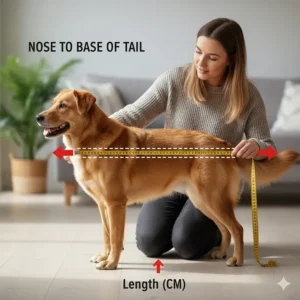
Length Measurement: Position your dog standing naturally (not stretched), then measure from their nose tip to the base of their tail, not including the tail itself. Add 10-15cm (4-6 inches) to this measurement for comfortable movement space. This extra room allows them to shift position without feeling cramped, particularly important for breeds with longer bodies like Dachshunds or Corgis.
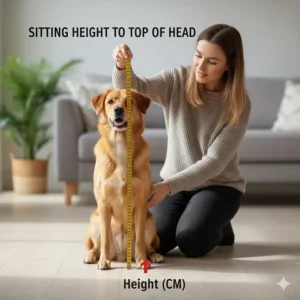
Height Measurement: With your dog still standing, measure from the floor to the top of their head when it’s in a natural, relaxed position. If your pup has upright ears (think German Shepherds or Belgian Malinois), measure to the ear tips. Add 10cm (4 inches) minimum to ensure they don’t need to hunch or crouch. According to veterinary guidance from the British Veterinary Association, insufficient height represents one of the most common sizing errors UK owners make.
Width Measurement: Measure across the widest part of your dog’s body, typically the shoulders or chest. Most standard crates accommodate width adequately if length and height are correct, but barrel-chested breeds like Bulldogs or Staffordshire Bull Terriers deserve extra consideration here.
Breed-Specific Sizing Considerations
Different breeds present unique challenges. Sighthounds (, Whippets) need extra length despite modest weight, whilst stocky terriers require more width proportionally. Working breeds often grow into their frames late, so err generously if purchasing for a puppy. The Kennel Club provides excellent breed-specific growth Greyhoundscharts that predict adult sizes with reasonable accuracy.

Understanding UK Dog Crate Size Standards
Standard Size Categories Explained
UK crate manufacturers typically follow similar sizing conventions, though metric and imperial measurements sometimes create confusion. Here’s the straightforward breakdown:
Extra Small (18-22 inches/45-56cm): Suits toy breeds under 5kg—Chihuahuas, Yorkshire Terriers, toy Poodles. These tiny crates work beautifully for house training miniature puppies or providing secure travel accommodation for lap dogs.
Small (24 inches/61cm): Perfect for small breeds up to 11kg, including Miniature Schnauzers, Cairn Terriers, and Dachshunds. This size represents the sweet spot for city-dwelling owners with compact breeds.
Medium (30 inches/76cm): The most popular UK size, accommodating breeds weighing 12-18kg. Cocker Spaniels, Beagles, Border Terriers, and similar medium breeds fit comfortably. This size works brilliantly under standard staircases, a consideration unique to British homes!
Intermediate (36 inches/91cm): Bridges the gap between medium and large, suitable for 18-32kg dogs. Border Collies, Bulldogs, Springer Spaniels, and Staffies typically need this size for genuine comfort.
Large (42 inches/107cm): Accommodates substantial breeds weighing 32-41kg. Labradors, Golden Retrievers, Boxers, and similar popular UK breeds require this generosity for comfortable positioning. This size also suits growing puppies of giant breeds until they need upgrading.
Extra Large (48 inches/122cm): Reserved for true gentle giants over 41kg—German Shepherds, Rottweilers, and similar substantial characters. Some XXL options extend to 54 inches (137cm) for breeds like Great Danes or Irish Wolfhounds.
Metric vs Imperial: Avoiding Confusion
British retailers often list both measurements, but here’s the quick conversion guide:
- 24 inches = 61cm
- 30 inches = 76cm
- 36 inches = 91cm
- 42 inches = 107cm
- 48 inches = 122cm
Always verify both dimensions match manufacturer specifications, as rounding variations occasionally cause confusion. When in doubt, favour metric measurements as they’re typically more precise.
Growth Considerations for Puppies
Planning for Adult Size
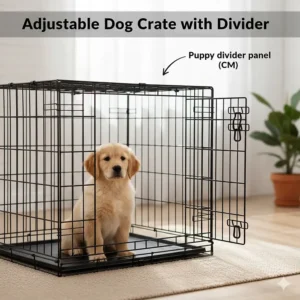
Puppies present unique challenges—that adorable fluffball will potentially triple in size within six months! Rather than purchasing multiple crates as they grow, invest in one sized for their predicted adult dimensions, then use a divider panel to adjust the living space accordingly.
Why Dividers Matter: Puppies instinctively avoid soiling their sleeping area, but if the crate’s too spacious, they’ll simply eliminate in one corner and sleep in another. A divider creates an appropriately snug space that encourages bladder control whilst allowing expansion as they mature. Most quality crates include dividers, but verify before purchasing.
Breed Growth Patterns: Small breeds typically reach adult size by 8-10 months, whilst large and giant breeds continue growing until 18-24 months. Speak with your breeder about expected adult weight—they’ve seen countless litters mature and provide invaluable predictions. The Dogs Trust offers helpful growth calculators based on breed standards and current weight.
Adjusting Your Crate Setup
Start with the divider positioned to allow comfortable standing, turning, and lying down, nothing more. Every 2-3 weeks, reassess your puppy’s size and adjust the divider accordingly. You’ll know it’s time when they seem cramped or struggle to turn comfortably. By roughly 12-16 months (depending on breed), most dogs can use the full crate space without house training risks.
Common Sizing Mistakes to Avoid
The “Room to Grow” Trap
Well-meaning owners often purchase oversized crates, thinking they’re being generous. This backfires spectacularly during house training, as discussed earlier. Additionally, excessively large crates feel less secure to dogs, who instinctively prefer snug, den-like spaces for safety.
Ignoring Breed Build Variations
Not all 25kg dogs are created equal! A lean, athletic 25kg Greyhound requires vastly different proportions than a stocky 25kg Staffordshire Bull Terrier. Weight alone doesn’t determine appropriate sizing—always measure your specific dog rather than relying solely on breed generalisation charts.
Forgetting About Accessories
That perfect-fitting crate becomes cramped once you add bedding, toys, and water bowls. Factor in roughly 5-8cm additional space for these essentials, ensuring your pup still has adequate room to move comfortably. Some owners purchase one size larger specifically to accommodate plush bedding preferences.
Overlooking Door Orientation
Single-door crates limit placement flexibility. If you’re positioning under stairs or in corners, verify the door opens in a practical direction. Double-door models cost slightly more but offer significantly more versatility for room layout changes.
Benefits of Correct Crate Sizing vs Traditional Alternatives
| Feature | Correctly Sized Crate | Oversized Crate | Baby Gate Alternative |
|---|---|---|---|
| House Training Success | Excellent | Poor | Moderate |
| Anxiety Reduction | Optimal | Moderate | Low |
| Travel Convenience | High | Low | None |
| Initial Investment | Moderate | Moderate | Low |
| Long-term Value | Excellent | Poor | Moderate |
| Safety During Transport | Excellent | Moderate | None |
Special Considerations for UK Climates
Weather-Resistant Materials
Britain’s damp climate demands rust-resistant coatings. Powder-coated metal crates (typically black) outperform basic wire finishes, whilst galvanised options offer premium weather protection. If positioning crates in conservatories or utility rooms prone to temperature fluctuations, ensure adequate ventilation prevents condensation build-up.
Indoor vs Outdoor Placement
Most UK dog owners keep crates indoors, but some utilise garden rooms or covered outdoor spaces. For outdoor use, prioritise heavy-duty construction with fully weatherproof trays and coatings. Never position crates in direct sunlight or exposed to heavy rain—even “outdoor” models deteriorate rapidly under harsh conditions.
Seasonal Bedding Adjustments
British seasons require different approaches. Summer months need breathable, thin bedding to prevent overheating, whilst winter demands cosier, thermal options. Crate covers reduce draughts during cold snaps but ensure adequate air circulation prevents stuffiness. Many UK owners swap between summer and winter bedding setups seasonally.
Price Range & Value Analysis: UK Market 2026
| Price Bracket | Typical Features | Best For | Expected Quality |
|---|---|---|---|
| Budget (£15-£30) | Basic metal/wire, single door, plastic tray | Short-term use, tiny breeds | Adequate for trained dogs |
| Mid-Range (£30-£60) | Double doors, divider included, better coating | Most owners, everyday use | Reliable long-term solution |
| Premium (£60-£100) | Enhanced security, heavy-duty materials, accessories | Large/strong breeds, anxious dogs | Exceptional durability |
| Luxury (£100+) | Furniture-style, designer finishes, complete kits | Style-conscious owners, permanent fixtures | Premium materials, aesthetic appeal |
Measuring Techniques for Difficult Dogs
Some pups won’t stand still for love nor biscuits! Here are battle-tested techniques:
The Sleeping Measurement: Measure whilst they’re napping stretched out—you’ll get accurate length this way. Add slightly more buffer (15cm instead of 10cm) to compensate for standing height estimation.
The Photo Method: Take clear side-on photos next to objects of known size (a ruler, standard books). Measure from the photo proportionally—surprisingly accurate for uncooperative subjects!
The Breed Standard Approach: If all else fails, consult breed standard dimensions from the Kennel Club and purchase accordingly. This works reasonably well for purebreds but less reliably for crossbreeds.
Crate Types and Size Implications
Wire Crates
Traditional wire crates offer maximum ventilation and visibility, collapsing flat for storage. They typically provide the most accurate size-to-dimension ratio—what you see is what you get. UK-specific consideration: wire crates positioned on wooden floors benefit from protective mats preventing scratches.
Plastic Travel Crates
Airline-approved plastic crates appear smaller externally but offer similar internal space to wire equivalents. They provide more privacy and draught protection—particularly relevant for British winters. However, they’re less adjustable and heavier to move.
Soft Fabric Crates
Portable fabric crates suit well-trained, non-destructive dogs beautifully. They’re brilliant for holidays and temporary accommodation but offer minimal security for determined escape artists. Size tends to run slightly generous compared to wire equivalents.
Furniture-Style Crates
Increasingly popular amongst style-conscious UK owners, these wooden or engineered-wood options double as end tables or room dividers. Internal dimensions often feel smaller than external appearances suggest, so measure interior space carefully before purchasing.
FAQ: Dog Crate Measurements UK
❓ What size crate does a fully-grown Cocker Spaniel need in the UK?
❓ Should I buy a 42-inch or 48-inch crate for a Labrador puppy?
❓ How much extra space should I add beyond my dog's measurements?
❓ Can two small dogs share a medium crate comfortably?
❓ Are UK and European crate sizes standardised?
Conclusion: Getting Your Dog Crate Measurements Right
Mastering dog crate measurements genuinely transforms your training experience and your dog’s comfort. By taking accurate measurements, understanding growth patterns, and selecting appropriate sizes for your specific breed, you’re investing in your pup’s wellbeing and your own peace of mind. Remember, the perfect dog crate 30 inch for Cocker Spaniel sizing differs from medium dog crate 24 inch requirements—there’s no universal “one size fits all” solution.
The dog crate size chart UK standards provided throughout this guide offer solid foundations, but your individual dog’s build, personality, and needs ultimately determine the best choice. Whether you’re establishing breed-specific sizing for a boisterous Border Terrier or measuring your dog properly for a gentle giant like a Newfoundland, the principles remain consistent: adequate space without excessive room, quality construction suited to UK climates, and features that grow with your companion.
Take your time with measurements, consult breed-specific growth charts when buying for puppies, and don’t hesitate to contact manufacturers directly with questions—reputable companies gladly provide guidance. Your diligence now prevents costly mistakes later and, more importantly, ensures your beloved companion enjoys a safe, comfortable sanctuary they’ll happily call home.
Recommended for You
- 7 Best Dog Crate UK 2026: Complete Buying Guide for First-Time Owners
- Ellie-Bo vs MidWest Dog Crate: 7 Best UK Options Compared 2026
- Soft Dog Crate vs Wire Crate: 7 Best UK Options 2026
Disclaimer: This article contains affiliate links. If you purchase products through these links, we may earn a small commission at no additional cost to you. Prices shown are approximate and may vary.
✨ Found this helpful? Share it with your mates! 💬🤗
